

 Pandora 248 · the line machine
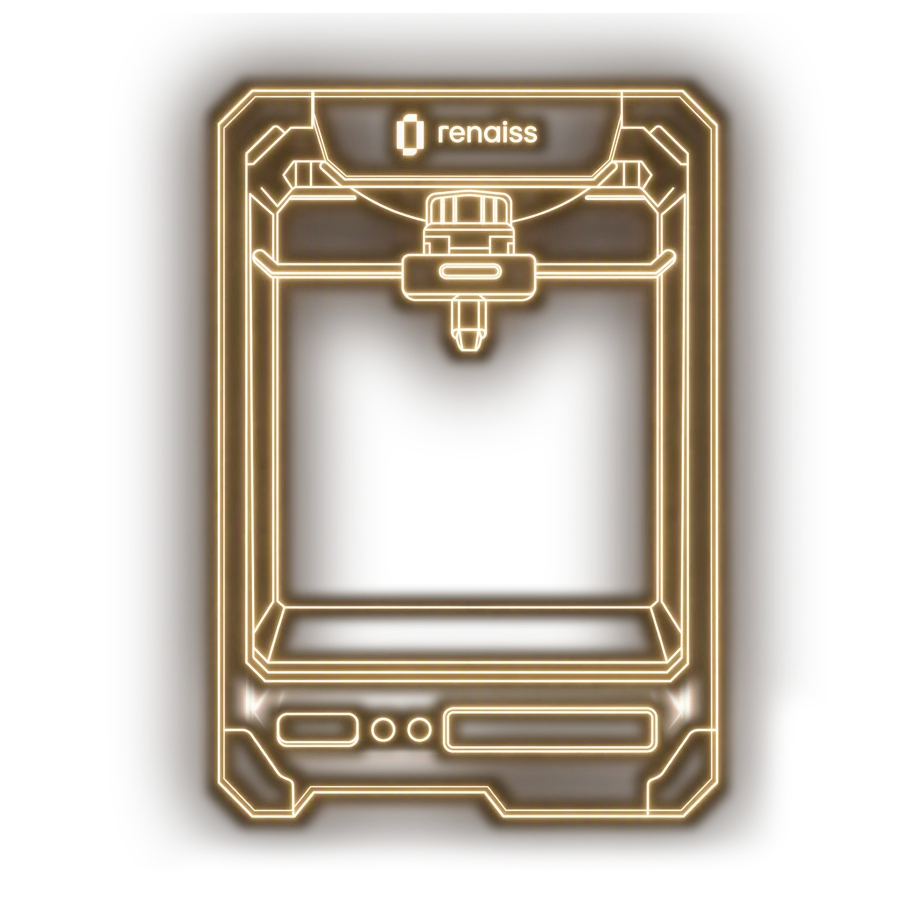
How a pack is formed
- 01Candidate poolRenaiss inventory
- 02Target EVwithin ±7% of the pool mean
- 03Top-tier cardredrawn fresh as the starting point for every attempt, then the rest fills in around it
- 04Commitmentthe accepted lineup is sealed into a Merkle root
Fairness should not
be believed.It should be
verified
Structural guarantees. Probability transparency. VRF-verifiable fairness. Every draw can be independently certified. The result can't be manipulated. Not Renaiss's call. Not even Renaiss knows which card the drawer will get, the moment payment lands.
How a pack gets built
The algorithm tries, and tries again, under rules published in advance. Fall short on any condition, and the whole attempt is discarded — until every condition holds.
View sourceThe moment it's sealed, no one can touch it
The sealed lineup is hashed into a Merkle root and recorded on-chain the moment it's accepted. Add a card, remove one, or swap one afterward — the root no longer matches.

 WITH RENAISS FAIR
The seed comes from on-chain data that doesn't exist until after the drawer pays. Not even Renaiss can compute the result before then — the drawer can recompute it and check nothing was touched.
The result comes from a private database — possibly referencing data only the platform knows. The drawer can only take its word for it, with nothing to check.

Fairness, compared
The Renaiss Fair draw beside the ways packs are usually ripped.
 Renaiss Fair Gacha
Every pack's target EV must stay within a fixed tolerance of the pool average, and that tolerance configuration is open to public. Any pack that misses on a condition is discarded.
Packs can be weighed, mapped, or hand-picked before they ever reach the shelf.
A polished storefront in front — pack composition happens in a system only the platform can see.
The token lives on-chain; the assembly logic almost never does. Publishing the construction rules is the rare exception, not the norm.
Add, remove, or swap one card and the root no longer matches — tampering exposes itself.
The shelf can change at any moment, and no record survives.
A private database can be revised silently, with nothing left behind to detect it.
Most lineups are never locked on-chain before sale — and a pool that was never sealed is free to drift.
The seed is born from a block hash after payment — even Renaiss can't precompute it, and anyone can replay it.
The order of the packs is fixed before you walk in.
The result comes from code no outsider can audit.
The typical draw still runs on server RNG or a platform-supplied seed — “on-chain” describes the asset, not the randomness.
The VRF index maps to one position in the lineup, which is committed under the Merkle root and ordered by unique token ID. The proof names your card, not just its rarity.
Neither tier nor card can be demonstrated after the rip.
Tier and card alike rest on the platform's word.
The majority publish no proof at all. The minority with a VRF can prove which rarity you hit — the exact card is still assigned off-chain, with nothing to check.
Fair, and verifiable
The shelf can be curated
The database has the last word
Web3 branding, Web2 machinery